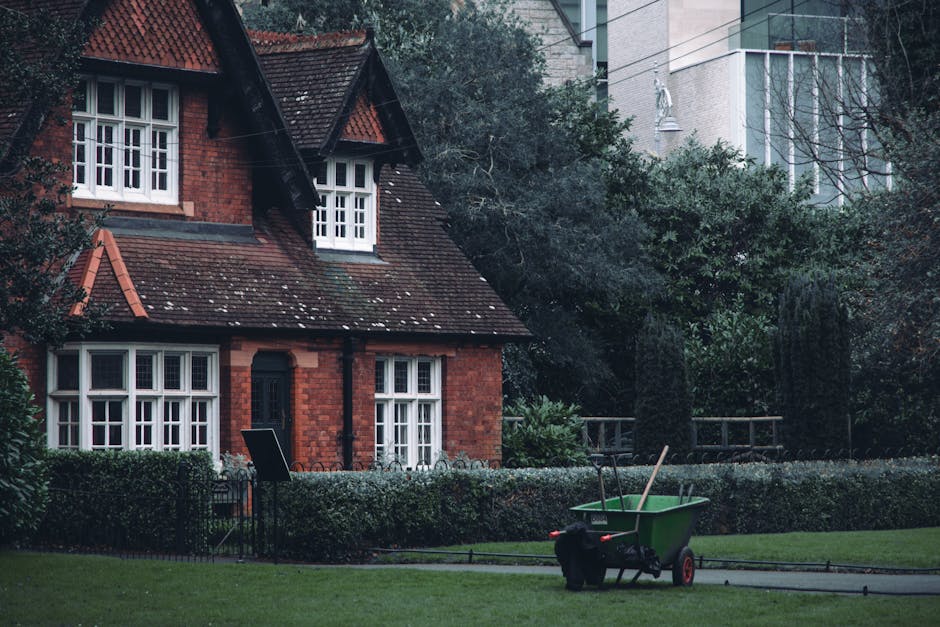
Tufnell Park gardeners Fortess Road front garden makeovers: a practical guide to better kerb appeal
If you are thinking about Tufnell Park gardeners Fortess Road front garden makeovers, you are probably after more than a neat border and a quick tidy. You may want a front garden that looks welcoming from the pavement, feels easier to maintain, and suits the character of the street without becoming fussy. That balance matters on Fortess Road, where a front space has to work hard: it sets the tone for the whole property, deals with real-world foot traffic, and still has to look good in winter when everything can feel a bit grey and honest.
In this guide, we look at what a front garden makeover involves, how local gardeners usually approach it, and how to make sensible decisions about layout, materials, planting, maintenance, and cost. You will also find a simple checklist, a comparison table, and a few useful questions people ask before they start. If you want to explore the wider range of support available, you can also browse the services overview or learn more about the team on the about us page.
Table of Contents
- Why Tufnell Park gardeners Fortess Road front garden makeovers matter
- How the makeover process works
- Key benefits and practical advantages
- Who this is for and when it makes sense
- Step-by-step guidance
- Expert tips for better results
- Common mistakes to avoid
- Tools, resources and recommendations
- Law, compliance, standards and best practice
- Options, methods and comparison table
- Case study or real-world example
- Practical checklist
- Conclusion
- Frequently asked questions
Why Tufnell Park gardeners Fortess Road front garden makeovers matter
A front garden is not just decorative. It is the first space people see, the buffer between home and street, and often the place that quietly absorbs a lot of daily wear. On a road like Fortess Road, where homes can be close to the pavement and people are always passing, the front garden plays a genuine role in how a property feels and functions.
For many households, the issue is not that the garden is unusable. It is that it has become awkward. A patchy lawn, tired shrubs, broken edging, muddy strips, or a path that never quite drains properly can make the whole frontage feel neglected. Truth be told, once that happens, the rest of the house can look less polished too, even if the interior is immaculate.
That is why local gardeners focus on front garden makeovers as a practical design project, not a vanity project. The goal is usually simple: make the space look better, use it better, and keep it manageable. In a busy part of London, that means choosing plants and materials that can cope with shade, pollution, narrow access, and occasional trampling by delivery drivers, pushchairs, or the family dog who insists the best route is straight across the border. Not ideal, but very real.
Expert summary: A strong front garden makeover should improve street appearance, reduce maintenance, and suit the way the property is actually lived in. If it only looks good on day one, it is probably not the right design.
It also matters for value perception. You do not need to think in dramatic estate-agent terms, but a well-finished frontage often gives people confidence. It suggests care, order, and attention to detail. That impression is especially useful in neighbourhoods where homes sit close together and first impressions happen fast. Very fast.
How Tufnell Park gardeners Fortess Road front garden makeovers works
A proper front garden makeover usually starts with observation. Not the glamorous bit, but the useful one. A good gardener will look at light levels, drainage, access, existing soil conditions, the condition of hard landscaping, and how the space is used day to day. Is it mainly decorative? Does it need room for bins, bicycles, or a step-free route? Is privacy important? Those questions shape everything that follows.
After that comes the planning stage. This is where ideas are translated into something realistic. The best front garden designs tend to be simple enough to maintain, but not plain. They use structure: maybe a low hedge, a repeated planting rhythm, a clean path line, or a small number of materials used consistently. Simplicity, done well, looks expensive. Overcomplication usually does not.
Then there is the practical work. Depending on the condition of the space, the makeover might involve clearing old growth, replacing turf, reshaping beds, laying gravel or paving, repairing edges, improving drainage, installing planters, or refreshing topsoil and mulch. On Fortess Road, access can be narrow, so a good team thinks about waste removal, materials handling, and how to complete work without making life awkward for neighbours. That part matters more than people expect.
If you are comparing service levels, it helps to review the pricing and quotes information early. Front garden projects can vary a lot, and a clear quote should explain what is included, what is excluded, and whether disposal, materials, and finishing details are covered.
There is also a finishing stage, which is where a makeover really starts to feel complete. Clean edges, tidy joints, properly spaced plants, and a clear sightline from the gate make a surprisingly big difference. You notice it when you walk up the path. The space feels calmer. More intentional. Less cluttered, even if it is not large.
Key benefits and practical advantages
Front garden makeovers offer more than visual improvement. The practical upside is often the reason people go ahead in the first place.
- Better kerb appeal: A well-planned frontage makes the whole property feel cared for.
- Lower maintenance: The right planting and hard landscaping reduce weekend upkeep.
- Clearer use of space: You can create room for access, bins, bikes, or simply a more usable entrance.
- Improved drainage and cleanliness: Smarter surfaces and planting can reduce mud and standing water.
- More seasonal interest: With evergreen structure and layered planting, the garden looks good across the year, not just in May.
- Greater privacy and comfort: Small design tweaks can soften the view from the street without making the house feel shut off.
There is also a psychological benefit, which sounds a little soft until you live with it. Coming home to a tidy, thoughtful entrance changes the feel of the day. A front garden should not create another job on the list. Ideally, it should quietly reduce the number of little annoyances. No muddy stepping stones. No scruffy bed edges. No awkward gap that keeps catching your eye every time you leave the house.
For homeowners who are considering ongoing care, it can help to think beyond the initial makeover and into maintenance. If you want the result to stay sharp, a good follow-up plan matters. You can find a broader overview of ongoing support through the services overview, which is useful when deciding whether you want a one-off transformation or a longer-term maintenance arrangement.
Who this is for and when it makes sense
Front garden makeovers are a good fit for a wide range of people, and not just keen gardeners. In fact, the people who benefit most are often the ones who do not want gardening to become a second job.
This sort of project makes sense if you are:
- preparing to sell or rent out a property and want the frontage to look strong from day one
- fed up with a front space that is too messy or too bare to feel finished
- trying to make a small garden more practical without losing character
- looking for a lower-maintenance alternative to lawn-heavy planting
- wanting to improve access, drainage, or path usability
- simply ready for the house to feel more welcoming from the street
It also suits homeowners who have inherited a front garden in mixed condition. Maybe there is one lovely mature shrub, one tired patch of grass, and a path that has seen better days. That is common enough. You do not need to rip everything out to make a real difference. Sometimes a well-chosen reset is enough.
When should you pause and think first? If the garden has serious drainage issues, structural damage to walls or paths, or unclear boundary ownership, it is worth taking a careful approach before committing to a full redesign. A thoughtful gardener will spot these early and help you avoid expensive mistakes later on. Which, let's face it, is rather handy.
If you want to understand the business side of things before moving ahead, the contact page is a sensible next step for an initial conversation, while the about us page can help you get a feel for the company's approach and values.
Step-by-step guidance
Here is a practical way to think about a front garden makeover from start to finish. It is not every possible route, of course, but it is a sound one.
- Assess the existing space. Look at what is working and what is not. Note shade, drainage, access, and where people naturally walk.
- Set the purpose. Decide whether the garden should be mainly decorative, low maintenance, child-friendly, pet-friendly, or access-friendly.
- Choose a design direction. Keep it consistent. For example, cottage-inspired planting, modern minimal lines, or a green-and-structured traditional look.
- Plan the hard landscaping. Paths, edging, gravel, steps, and boundaries should come first because they shape the layout.
- Select planting with restraint. A few reliable plants repeated well usually beat a crowded mix.
- Prepare the ground properly. Soil improvement, weed removal, and drainage checks are boring but essential. This is where many projects succeed or fail.
- Install and finish carefully. Clean lines, level surfaces, and properly planted roots make the difference between "done" and "done properly".
- Set up maintenance. Decide what needs monthly, seasonal, or annual attention so the garden does not slide back within six months.
On a real street, the order matters. If you plant too early and then discover the path is wrong, or the bins have nowhere sensible to sit, you end up undoing work. That is frustrating, and expensive too. Better to plan once and plant once.
A good local gardener will also consider timing. In winter, you might focus on structure, clearance, and hard landscaping. In spring, planting choices become easier to judge. On a damp Tuesday in November, it can all feel a little less inspiring, but it is often the best time to fix the bones of the space. The plants can come later.
Expert tips for better results
After a lot of front garden projects, a few patterns keep showing up. The best results are usually not the most dramatic ones. They are the ones with restraint, rhythm, and a bit of local realism.
- Use repetition. Repeating a few plant types creates calm and makes maintenance easier.
- Keep the path clear. A front garden should guide people, not make them guess where to step.
- Choose evergreen structure. If the space only looks good in one season, it is not really finished.
- Think about sightlines from indoors. You should enjoy the view from the hallway, not just from the pavement.
- Mix texture, not chaos. Pair soft planting with one or two stronger materials such as brick, slate, or gravel.
- Allow for maintenance access. If pruning or sweeping is awkward, the design will not stay tidy for long.
One useful habit is to stand at the gate and look back at the property before finalising the plan. It sounds basic, but it helps. Ask yourself: what do I see first? What feels cluttered? What feels unfinished? Sometimes the answer is obvious in a way that drawings do not quite capture.
Another tip: avoid squeezing too many "feature" moments into a small front garden. One focal point is enough. Maybe two, if the space is generous. More than that and the eye has nowhere to rest.
If you are unsure about materials and implementation, reputable teams should be able to talk through working methods, access arrangements, and site protection. Their insurance and safety information is worth checking, especially where tools, lifting, or masonry work may be involved. It is not the glamorous part, but it is one of the trust signals that matters most.
Common mistakes to avoid
Front garden makeovers often go wrong in predictable ways. The good news is that these mistakes are avoidable if you spot them early.
- Overplanting: Too many plants, too close together, can look lush for a few weeks and then become a maintenance headache.
- Ignoring drainage: Water that sits near the house or path can cause long-term trouble.
- Choosing high-maintenance plants by accident: Pretty is nice. Constant pruning, not so much.
- Using too many materials: A mix of too many finishes can make a small frontage feel busy and cheap.
- Forgetting everyday use: A lovely design that makes bin day awkward is missing the point.
- Skimping on ground preparation: Surface-level improvements often fail if the base is poor.
There is also a softer mistake: trying to copy a style that does not belong to the property. A bold contemporary scheme may look fantastic on one house and feel oddly out of place on another. The best front gardens respect the building, the street rhythm, and the practical needs of the household. You do not need to be timid, just sensible.
One more thing. It is tempting to prioritise the "before and after" drama, but the after needs to last. That is the whole game, really.
Tools, resources and recommendations
You do not need a garage full of specialist equipment to understand what a front garden makeover requires, but it helps to know what a professional team is likely to use. This gives you a better sense of what the job involves and where time goes.
| Component | What it does | Why it matters in a front garden |
|---|---|---|
| Edging | Defines beds and paths | Keeps the layout crisp and prevents soil or gravel spilling into walkways |
| Mulch | Covers bare soil | Helps with moisture retention, weed suppression, and a neat finish |
| Gravel or paving | Creates durable surfaces | Useful for access, drainage, and a tidy entrance |
| Topsoil and compost | Improves planting conditions | Supports healthier establishment and longer-lasting planting |
| Hand tools and cutting tools | Shape, prune, clear, and refine | Essential for detail work where the finish is visible from the street |
From a homeowner's point of view, the most useful "resource" is a clear brief. A few photos, a short description of your priorities, and a realistic idea of upkeep go a long way. You do not need a full design manifesto. Just say what matters: easy maintenance, better structure, more flowers, less mess, safer access, or a better view from the front room.
It is also sensible to look at company policies and practical standards before instructing work. For example, you may want to review health and safety guidance and the recycling and sustainability approach if waste removal, reuse, or greener working methods matter to you. Small things, but not really small when the project is on your doorstep.
Law, compliance, standards and best practice
For most front garden makeover projects, the practical focus is on safe working, sensible design, and respect for property boundaries. That said, there are a few areas where careful attention is wise.
First, boundary lines and ownership. Before altering fences, walls, or edging near the front boundary, make sure everyone is clear about what belongs where. This is especially important in London terraces and semi-detached homes, where boundary assumptions can be wrong in a very unhelpful way.
Second, access and public-facing work. Because front gardens are visible and often close to pavements, safe handling of tools, waste, and materials matters. Good practice includes keeping walkways clear, managing debris responsibly, and avoiding anything that could create trip hazards. If a contractor is working near the street or shared access, it should be obvious that they are organised and insured.
Third, disposal and sustainability. Garden waste should be removed or recycled responsibly where possible, and materials should be chosen with durability in mind. A cheap solution that fails quickly is rarely the greener option. Better to choose fewer, longer-lasting materials than to replace things sooner than necessary.
If you care about the practical side of contracts, payments, or what happens if something needs clarification after work is agreed, it is sensible to read the relevant pages such as payment and security, terms and conditions, and the complaints procedure. Not because you expect trouble, but because clear paperwork tends to make everything easier. Boring? Yes. Useful? Absolutely.
Options, methods and comparison table
There is no single right way to approach a front garden makeover. The best method depends on budget, maintenance tolerance, and the style of the property. Here is a simple comparison that may help.
| Approach | Best for | Pros | Trade-offs |
|---|---|---|---|
| Low-maintenance planting scheme | Busy households and year-round tidy looks | Easy care, strong structure, good seasonal reliability | Less dramatic colour unless carefully planned |
| Hard landscaping refresh | Problem paths, tired entrances, drainage concerns | Immediate visual lift, improved access, durable finish | Higher upfront disruption and cost |
| Mixed makeover | Most front gardens | Balanced blend of planting and structure, flexible styling | Needs good planning to avoid looking busy |
| Simple tidy-and-replant | Small budget or quick improvement | Fast, practical, often surprisingly effective | May not fix deeper layout issues |
For many Tufnell Park homes, the mixed makeover is the sweet spot. It gives enough structure to feel intentional, while still allowing planting to soften the frontage and add character. If the bones are sound, you do not need to reinvent everything. Sometimes a better edge, the right evergreen shrubs, and a cleaner path are plenty.
Case study or real-world example
Here is a realistic example based on the kind of project gardeners often encounter on streets like Fortess Road.
A homeowner had a front garden that looked tired rather than neglected. The path was functional but stained, the border had become overcrowded, and there was no real sense of shape from the gate to the door. The owner wanted something welcoming, but not high maintenance. They also wanted the space to look good from a ground-floor window, because that is where they spent their mornings with tea and the news on.
The solution was straightforward. The team cleared the border, improved the soil, simplified the planting palette, and created a cleaner line between the path and the bed. Evergreen structure was added for year-round shape, with seasonal planting used in smaller, more controlled pockets. The result was not a dramatic Hollywood reveal. It was better than that. The front garden finally looked like it belonged to the house.
What made the difference? Restraint. Not adding more, but adding better. The homeowner did not need constant deadheading, and the entrance now felt brighter and more deliberate. On a drizzly morning, which is not exactly rare in London, the whole front still held its shape. That is usually the real test.
For homeowners who want a tailored discussion, the best next move is often to explore the company's pricing and quotes page and then use the contact us page to explain the site and what you want to achieve.
Practical checklist
Use this checklist before starting your front garden project. It keeps the brief clear and helps prevent awkward surprises halfway through.
- Decide whether the priority is appearance, access, maintenance, or all three
- Check the condition of paths, edges, walls, and drainage
- Note how much sun or shade the front garden gets through the day
- Measure the space roughly, including any tight access points
- List any fixed items that must stay, such as bins, meters, or railings
- Choose a style that suits the house, not just a trend you saw elsewhere
- Keep the planting palette simple and maintainable
- Ask how waste will be removed or recycled
- Confirm what is included in the quote and what is not
- Plan basic aftercare for the first few weeks after planting
If you want to be especially organised, keep photos of the current garden and make two or three notes about what you like and do not like. That little bit of prep saves time later. Honest.
Conclusion
Front garden makeovers are one of those projects that seem small at first and then end up changing how a whole property feels. For Tufnell Park gardeners Fortess Road front garden makeovers, the best results usually come from practical design, careful planting choices, and a realistic approach to maintenance. Not every garden needs a grand redesign. Some need structure. Some need tidying. Some need a bit of both.
The key is to focus on the everyday experience: walking up the path, opening the gate, looking out of the window, and knowing the space will still look good next month. That is the real measure of success. If the garden feels calmer, cleaner, and easier to live with, the job has been done properly.
Get a free quote today and see how much you can save.
And if you are still weighing things up, that is fine too. A good front garden project is worth thinking through. Once it clicks, though, you will notice the difference every single time you come home.
Frequently Asked Questions
What do Tufnell Park gardeners usually include in a front garden makeover?
It depends on the site, but most makeovers include some mix of clearing, pruning, planting, edging, path improvement, soil preparation, and finishing touches. The aim is usually to improve kerb appeal while keeping maintenance manageable.
How long does a front garden makeover take?
Smaller refreshes may take a day or two, while more involved projects with hard landscaping or drainage adjustments can take longer. Access, weather, and the current condition of the garden all affect the timetable.
Is a low-maintenance front garden possible in a shaded Tufnell Park street?
Yes, very much so. Shade-tolerant planting, evergreen structure, mulch, and a simpler layout can work well. The trick is to choose plants that suit the conditions rather than fighting them.
Do I need to replace the whole front garden to improve it?
No. In many cases, the best results come from selective improvement rather than full replacement. Cleaning up the edges, reworking the planting, and refreshing the path can make a large difference without starting from scratch.
What makes front garden design different from back garden design?
Front gardens are more visible, more exposed, and often more functional. They have to look good from the street, work with access needs, and often stay tidy with less effort. Back gardens can sometimes be more relaxed; front gardens usually need a stronger sense of order.
How much maintenance does a front garden makeover need afterwards?
That depends on the design. A well-planned, low-maintenance scheme may only need light seasonal attention, while a more decorative planting scheme needs regular pruning, weeding, and feeding. Good design reduces maintenance, but never removes it entirely.
Should I choose gravel, paving, or planting for the front garden?
Often the best answer is a combination. Gravel or paving helps with access and structure, while planting adds softness and character. The right mix depends on how much space you have, how you use it, and how much upkeep you want.
How do I know if a quote for front garden work is fair?
Look for clarity. A fair quote should explain what labour, materials, waste removal, and finishing work are included. It should also state any likely extras or assumptions. Vague quotes can become expensive very quickly.
Can front garden makeovers help with drainage problems?
They can help, depending on the cause. Better surfaces, improved edging, soil preparation, and a more suitable layout may reduce pooling and muddy areas. Serious drainage issues may need a more careful assessment before work starts.
What should I ask a gardener before booking work on Fortess Road?
Ask about the proposed design, likely timescale, site protection, waste removal, safety, aftercare, and what happens if the brief needs adjusting once work begins. It is also sensible to check practical policies such as insurance and safety and the terms and conditions.
Will a front garden makeover suit a period property?
Usually, yes, if the design respects the house style. Period homes often look best with balanced planting, clear structure, and materials that feel in keeping with the building. A good gardener will avoid forcing a style that does not belong.
What if I want the garden to be more eco-friendly?
You can ask for more sustainable materials, better soil care, pollinator-friendly planting, and responsible waste handling. It is sensible to discuss the approach early, and the recycling and sustainability page is a useful place to start.